New Psychology Lab Advances Methods for Meeting Adversity with Resilience
The Resilience Lab’s research-based strategies develop lifelong skills for using challenges as opportunities to adapt, grow, and strengthen well-being.

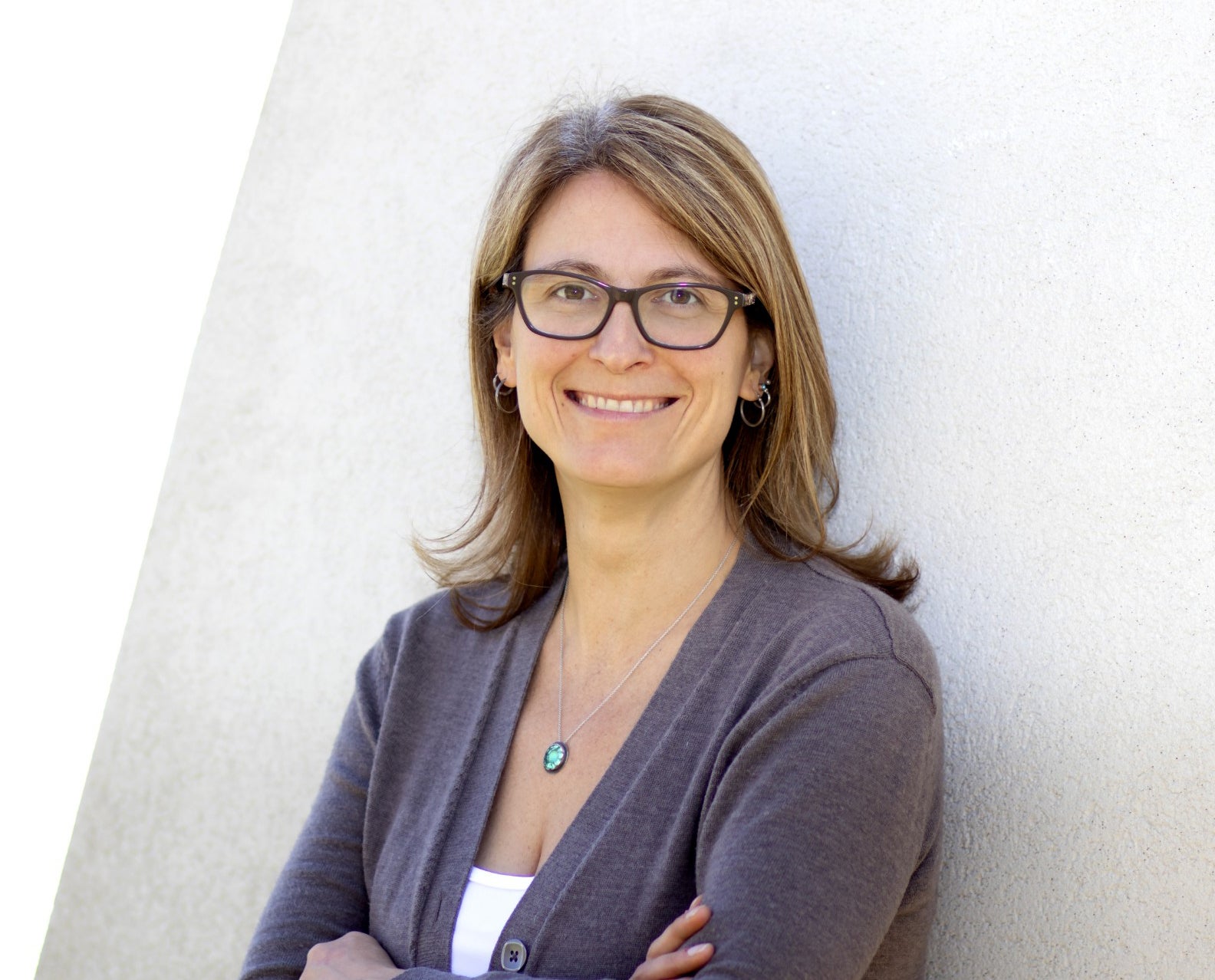
Psychology professor Kateri McRae. Photo by Hannah Fulk.
The University of Denver's new Resilience Lab in the Department of Psychology, College of Arts, Humanities & Social Sciences, provides a hub for leadership, learning, and discovery aimed at instilling resilience in response to adversity. Led by Professor Kateri McRae, whose research focuses on emotion regulation, the lab fosters the knowledge, mindsets, and skills necessary to cultivate and sustain resilience.
A new course, “Managing Your Time, Self, and Stress,” open to all undergraduates campus-wide and offered in the fall, winter, and spring quarters of 2026-27, introduces practical, science-based strategies for building resilience and enhancing well-being.
We sat down with McRae to find out more about resilience-rooted research and teaching in the new lab and how we can all learn to become more resilient and better weather change and challenges in our lives and world.
What is the Resilience Lab?
Made possible by a philanthropic donation, the Resilience Lab reflects a strong commitment to equipping people with the skills and confidence to navigate a difficult world and to create environments that foster resilience. As part of DU’s 4D Experience, resilience falls at the intersection of well-being and character. It addresses how people respond to challenges and adversity, the degree to which people try to overcome, versus retreat or shut down.
As a hub for activities that support resilience, the lab includes student-skills programming, programming to help faculty design student courses and experiences in resilience, and research. It will connect DU researchers who study resilience, as well as staff and faculty who enact practices that support resilience.
Are some people born more resilient than others, or is it learned?
Research shows that some people draw strength from adverse experiences, and most people develop resilience by building skills. That said, some types of adversity hamper our ability to learn. So, there’s a sweet spot in exposure to adversity where you have the cognitive and emotional capacity to change, but it takes support. Developing resilience requires rethinking your situation, relying on community, and giving yourself permission to feel hope in the face of negative events.
What does the latest research show about how to become more resilient?
Research is clear about what supports well-being and resilience, such as exercise, improving sleep, and social support. Social support includes both emotional support and instrumental support. If you get a troubling medical diagnosis, some people say “any time you need to talk” — that’s emotional support. Some people say, “I’ll leave lasagna at your doorstep, or I’ll give you a ride,” which is instrumental support.
My own research addresses a practice called reframing the situation in a less negative way. So, challenging your initial assumptions to make room for a little hope about good things that could also happen.
Our approach so far focuses on classroom-based programs, such as our spring 2026 series for graduate students and advanced undergraduates, “The Resilient Scientist,” tailored for people in high-pressure learning environments like biomedical settings but applicable to any high-pressure learning environment. There is a published study that shows that exposure to this material significantly decreased perceived levels of stress and anxiety.
How can we practice resilience in our daily lives?
The first thing to do when you encounter adversity is to pause and acknowledge that this is challenging, that challenging things happen, and that you’re not alone in experiencing challenges. And then, gather community and seek help from others who have been through this, and identify what you can control.
For example, when a high-achieving student receives a grade, they don’t like on an exam, they may think to themselves they’re not cut out for this or that the professor is out to get them. Then they have a choice. They can pause, tell themselves that not everyone gets a great grade on the first test, and ask what resources are available. Is there a teaching assistant, tutor, or study group that can help them identify ways to improve, develop a tutoring plan, or even decide if they’re overloaded and need to drop a class?
What motivated you to start the Resilience Lab?
Working at a university, we have an opportunity to influence people’s resilience during an incredibly critical period when what you do and learn has an outsized impact on the rest of your life. I used to think that my job was to make students fluent in the psychology of emotional regulation, but I started hearing students saying, class after class: “Why isn’t this something I learned sooner, something we all grow up learning?” And I realized that beyond imparting this academic knowledge, I was giving them tools that they were immediately applying in their own lives. So, the Resilience Lab is a way to use all my academic knowledge to help students apply these principles in their everyday lives.

Interested in Becoming More Resilient?
Sign up for the DU Psychology course, “Managing Your Time, Self, and Stress," in your student portal today.