This Anthropology Alumna Is Putting the World's Cultural Heritage in Your Hands
Whitney Peterson (MA '18) uses 3D technology at the nonprofit CyArk to digitally preserve cultural heritage sites and open them to audiences worldwide.
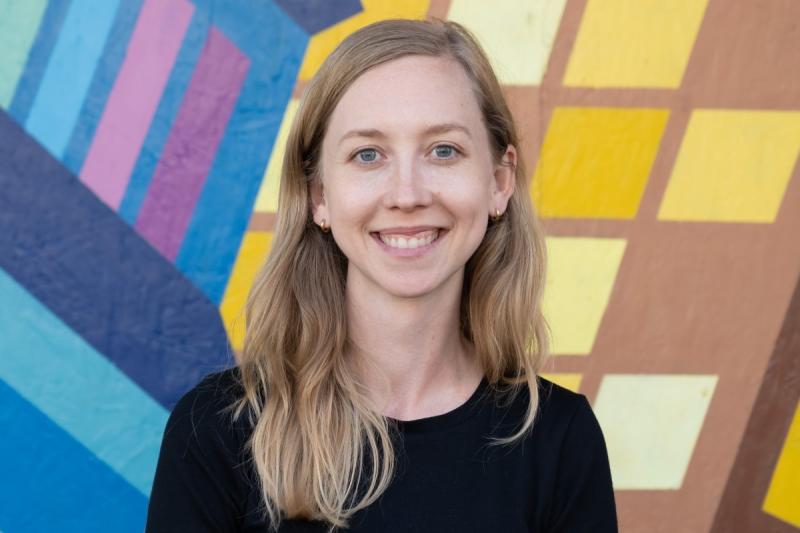
Whitney Peterson. Courtesy photo.
Cultural heritage sites, defined as “monuments, town sites, archaeological sites, and works of art which carry and transmit the cultural features of a society,” (UNESCO) can now be held in the palm of your hand.
DU alumna Whitney Peterson’s (MA '18) journey through the University of Denver’s Department of Anthropology, part of the College of Arts, Humanities, and Social Sciences (CAHSS), gave her the skills and anthropological framework to now work at CyArk, a nonprofit organization committed to using 3D technology to make the world’s cultural heritage sites more accessible to new audiences and future generations.
“Cultural heritage has the power to share so much about our past but also inform our future,” Peterson said.
Faculty Mentorship + Hands-On Learning
Before joining CyArk in 2019, Peterson earned her master’s degree in anthropology with a concentration in museum and heritage studies. During her time at DU, Peterson learned about the value of public-facing anthropology and developed an interest in the conservation and restoration of cultural heritage sites.
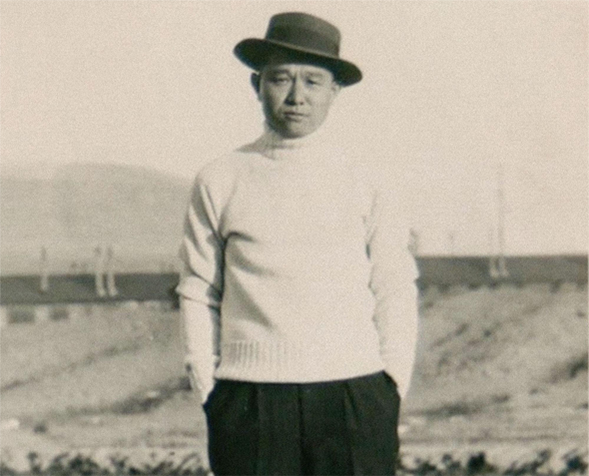
Peterson’s previous participation in an oral history program at the Manzanar National Historic Site, coupled with her experience in CAHSS, inspired her to make an impact by focusing her thesis research on Japanese American photo albums created by incarcerated individuals during World War II and explored photography outside of the propaganda narratives of the era.
Her project included a material analysis of historical photos from incarcerated Japanese Americans and interviews of the families who created these photo albums; Peterson even analyzed the notes written on the back of some photographs. She credits much of her success to her thesis advisors, DU anthropology professors Bonnie Clark and Esteban Gomez.
"What I loved about my master’s program was being encouraged to build diverse knowledge and work on various projects with several professors varying in expertise and perspective across the department,” Peterson said.
Where Scholarship Meets Real-World Change
After graduating from DU in 2018, Peterson continued to stay in touch with professors Clark and Gomez, leading to the creation of “Snapshots of Confinement,” a Rocky Mountain PBS documentary that tells the stories of Japanese Americans during World War II through their personal photo albums from time spent in incarceration sites across the country — including Colorado’s Amache, now a national historic site.
“Peterson’s thesis research and later documentary are prime examples of how the thoughtful, community-engaged research done by graduate students in DU’s Department of Anthropology can have impacts far beyond academia,” Clark said.
Through creating “Snapshots of Confinement,” Peterson realized she could use her knowledge on historical preservation and astute anthropological lens to turn artifacts and historic sites into digital storytelling, made accessible to the public beyond physical geography through the help of technology. This led her to CyArk, where she has thrived for the past seven years and worked on everything from CyArk's virtual experience library to a recent project showcasing Totem Bight State Historical Park.
“My daily work emphasizes material culture as a part of community-building and proof of stories from the past,” Peterson said. “In my current role, I often rely on lessons learned from DU’s anthropology department about community collaboration when I work with cultural site partners to create free educational digital experiences.”
Peterson’s best advice for students pursuing a degree in anthropology or a career in cultural heritage work is to make yourself and your passions known.