Behind the Camera, Beyond the Bars: The Power of Video Storytelling in Colorado Prisons
How Art Helps Incarcerated People Connect With Themselves
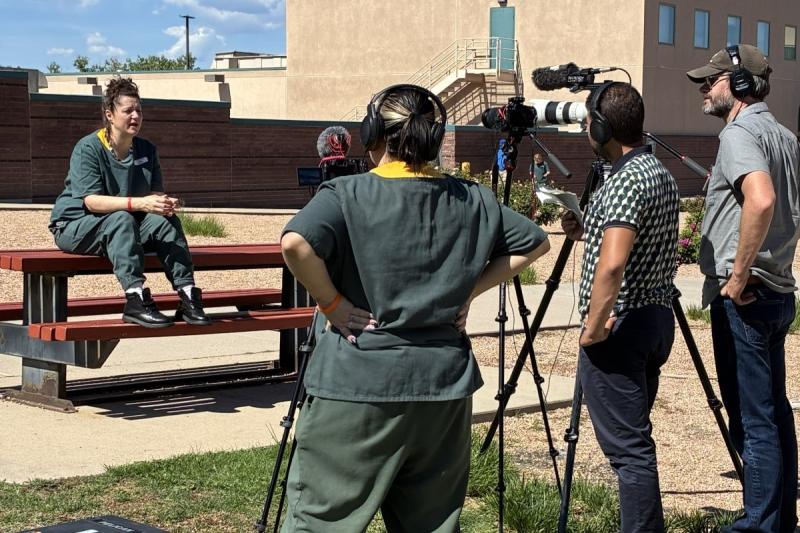
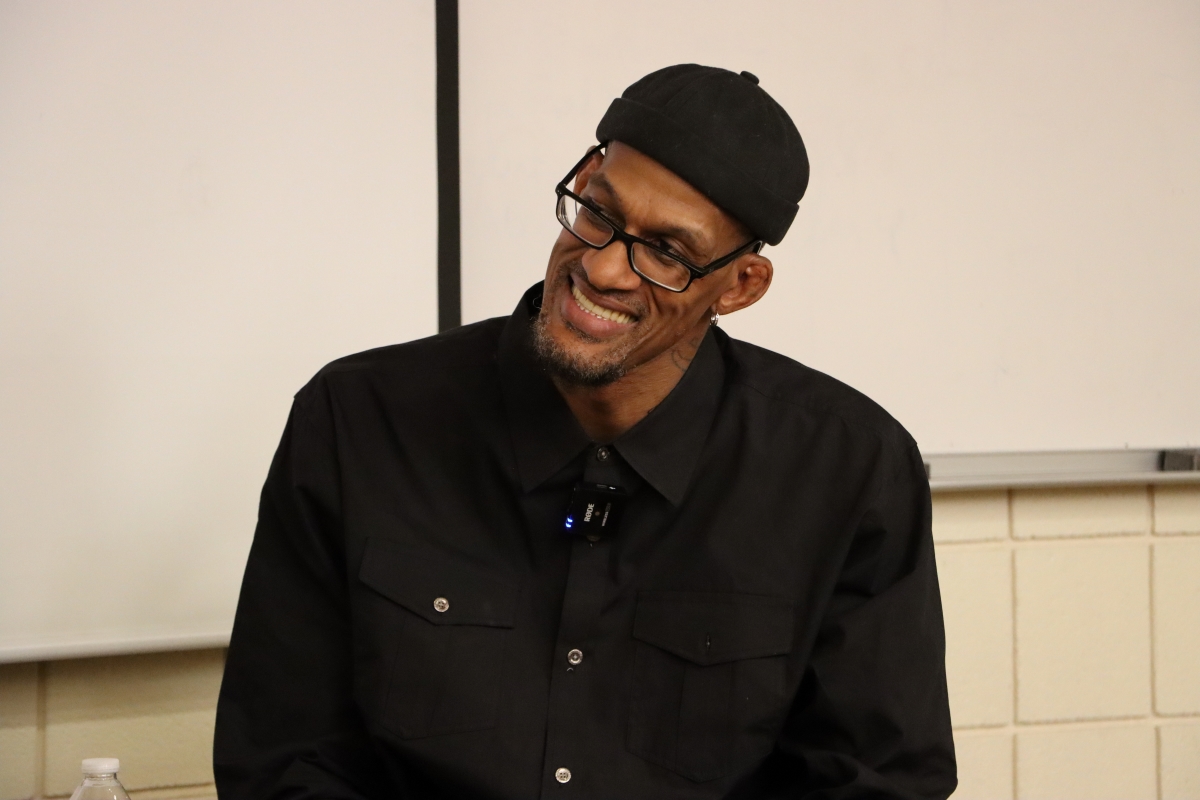
MFJS professors co-taught a video storytelling course for incarcerated individuals, helping to express the profound importance of the arts, inside and outside of prison. Courtesy photo.
Joe Brown, associate professor in Media, Film & Journalism Studies (MFJS), believes that “documentary film allows you to step into another world, and another person’s shoes.”
Earlier this summer, Brown co-taught a video storytelling course at the Denver Women’s Correctional Facility, where he educated incarcerated individuals about production and collaboratively worked on a short documentary about the role of art in incarceration.
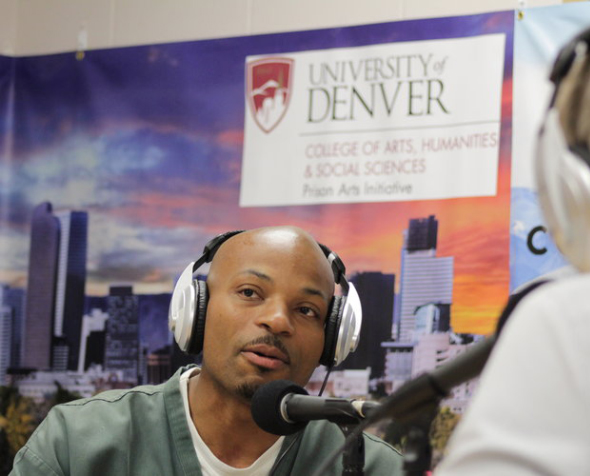
This class was co-taught by Kareem El Damanhoury, MFJS research professor, in conjunction with the College of Arts, Humanities & Social Sciences’ Prison Arts Initiative (DU PAI). In this course, both MFJS professors worked with their students on a documentary that centered around the theme of “doing time.”
Brown finds that collaborative filmmaking allows for intimate, unlikely conversations to take place in a setting like prison. He said, “...the women in our video storytelling class wanted to share their stories. These women really embraced the process of developing their narratives for film.” Instead of delving into their criminal histories, individuals shared about their day-to-day existence while incarcerated and how they've cultivated meaning and purpose during their lives behind bars.
The documentary revolved around the idea that in prison or outside, individuals can “do time” well or poorly – deciding how to spend time and energy is a daily battle, but intentionally approaching these situations with positivity can be incredibly impactful.
“The idea was that you could either let negativity take over, or you could find a way to make things a little easier on yourself by being positive,” Brown said. “We are talking about finding ways to get through the tough days, not toxic positivity.”
For many of the women at Denver Correctional, creativity and art helped them embrace positivity in their daily lives. Creativity is an outlet for all people, regardless of societal positioning, and is a large part of the mission behind DU PAI.
“I have always enjoyed teaching multimedia storytelling classes, but this one has been extra special,” El Damanhoury said. “As we all share human experiences of using art for self-expression, coping with challenging circumstances, and trying to thrive, art helps connect us.”
El Damanhoury claimed that the amount of passion and creativity he has seen while working with incarcerated individuals is indescribable. On this project, one of his students said that art reminded her of who she is.
Studies have shown that prisoners who participate in art programs while incarcerated have a lower recidivism rate than those who do not. For CAHSS professors Brown and El Damanhoury, the quintessential power of the arts for all people, regardless of their background, is clear.
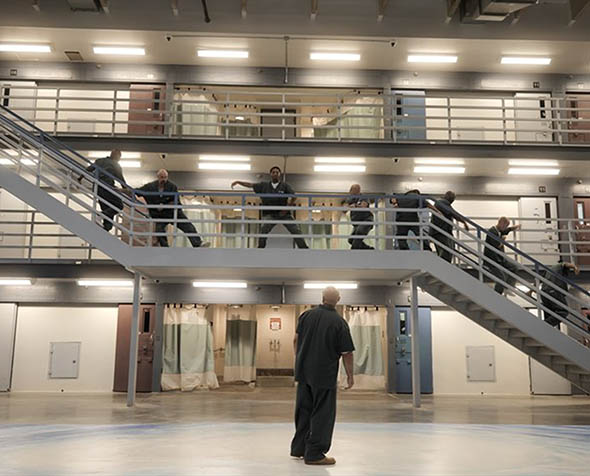
In the documentary, there is a scene where some of the women are participating in a dance class in the prison rec center.
“They're dancing together and practicing their moves like they don't have a care in the world. It's really moving,” Brown said. “These women obviously do have worries and struggles, and some are serving very long sentences, but when they dance, it's like all of that has disappeared, even if it's just for a moment.”