Oh, the Places You’ve Gone!
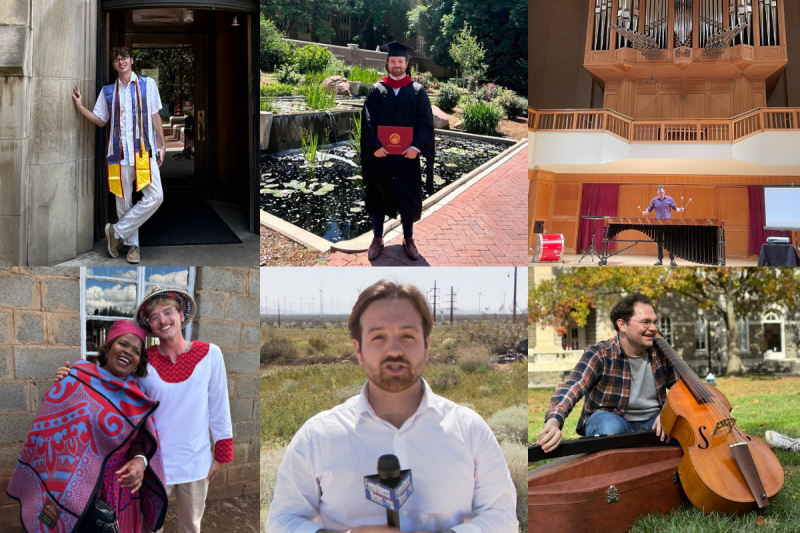
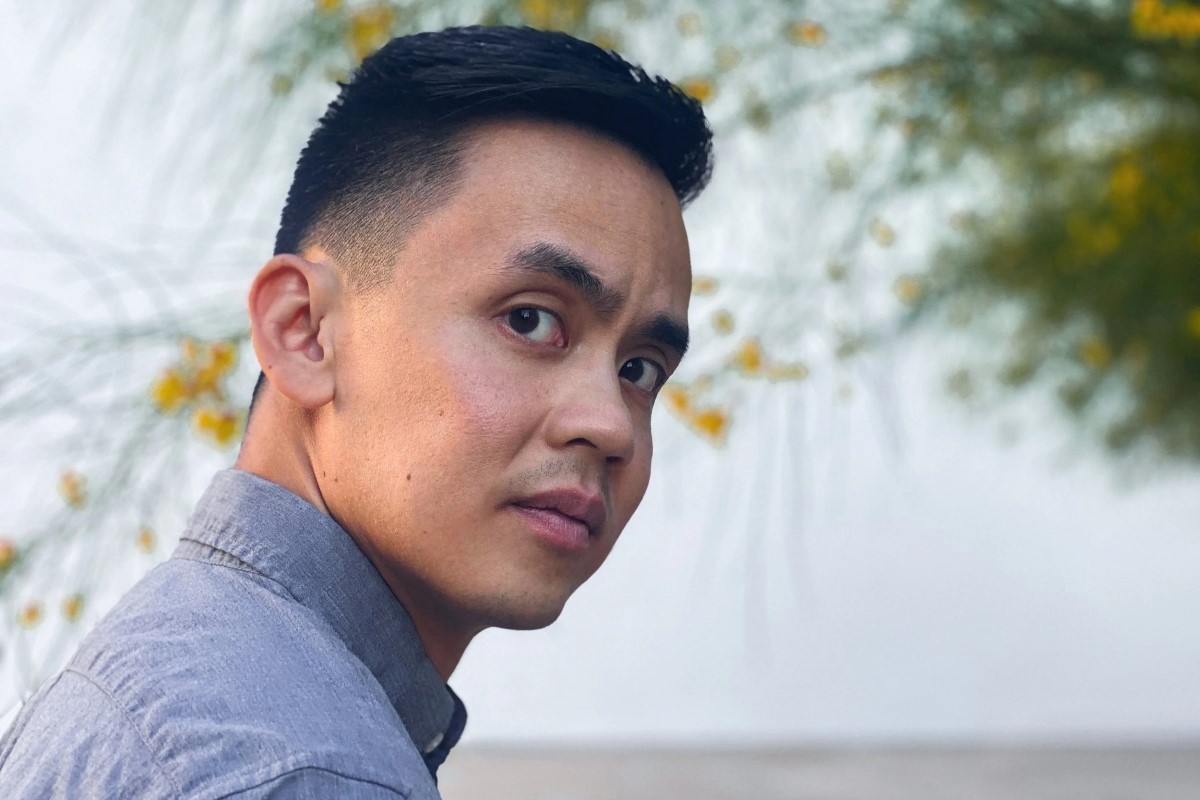
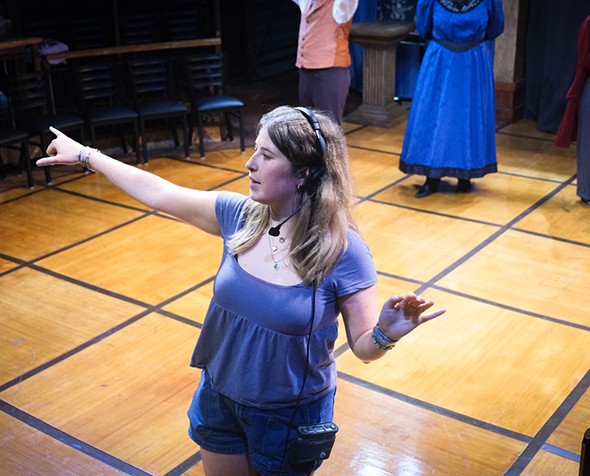
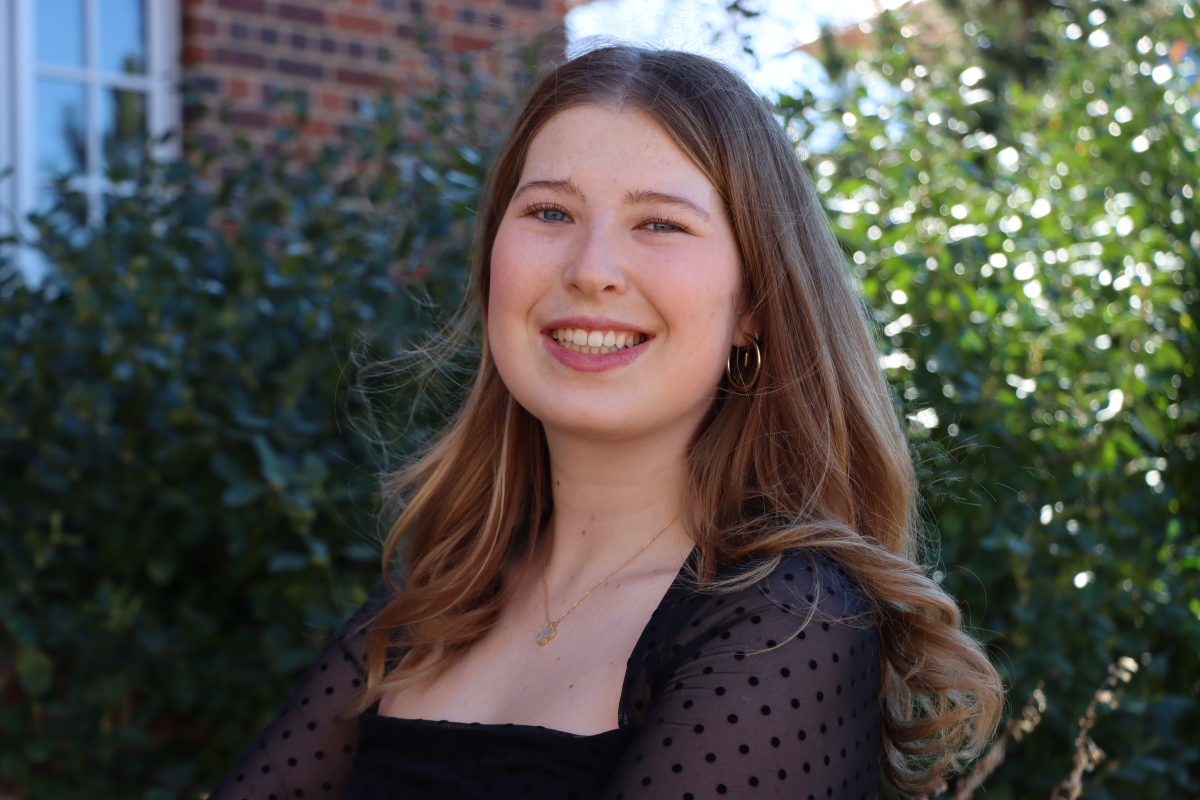
From left to right: Will Highfill, Jake Shriner, and Tommy Dainko before and after graduating from DU. Courtesy photos.
Where can the College of Arts, Humanities & Social Sciences (CAHSS) take you? We asked a few recent graduates how their education helped them confidently follow the trail of their dreams into the real world.
Tommy Dainko, (MA ’24), musicology, Lamont School of Music
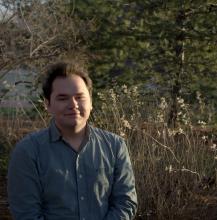
Dainko credits his Lamont master’s degree in musicology with helping make his dream of becoming a music professor come true. His research and conference presentations, delivered as a student — guided by strong faculty mentorship, peer support, and grants from Lamont —helped him market himself as a PhD candidate.
Currently pursuing a PhD in music and sound studies at Cornell University, Dainko applies “many of the pedagogical skills I received at DU” in his current assistant teaching positions. He continues to hone his expertise in early notational practices and archival research he acquired with his Lamont advisor, Assistant Professor Zoe Weiss, and deepen his examination of video game music.
Dainko channels the leadership skills he developed at Lamont as a first-year liaison for the Music Graduate Association at Cornell and thanks his Lamont ensemble training in music performance for preparing him to lead a small chamber music group at Cornell.
“My time at DU taught me how to connect with people, market myself in a competitive job environment, and maintain a close relationship to music performance, while researching, which I continue at Cornell.”
Will Highfill, (BA ’25), international studies and Languages, Literatures & Cultures, Chinese
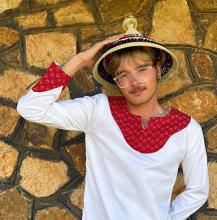
Highfill currently serves as a Peace Corps volunteer in Lesotho, South Africa, step one in his post-graduate plan to give back before earning a master’s degree in international studies and development. He teaches English and math to primary-level students and participates in community development focused on everything from better farming practices to computer literacy.
His double major in international studies and Mandarin Chinese provided a strong foundation in cross-cultural analysis and language study, which directly influenced his desire “to be grounded in service, not just theory” by joining the Peace Corps.
According to Highfill, majoring in language taught humility and patience, especially while studying abroad in Taiwan, while strengthening his writing, critical thinking, and ability to understand complex topics in a different language.
Presenting his senior honors thesis, living, and studying abroad instilled resilience and independence. “The best part of CAHSS is that it emphasizes not just career preparation, but character and purpose,” he said. “That made all the difference as I transitioned from being a student to living and working in Africa.”
Highfill plans to apply for the Paul D. Coverdell Fellows Program, providing scholarships for returned Peace Corps volunteers to earn a master’s degree in international development. After returning to the United States in December 2027, he hopes to partner with an organization expanding international education opportunities in Africa.
Jake Shriner, (MA ’25), international and intercultural communication, Media, Film & Journalism Studies (MFJS)
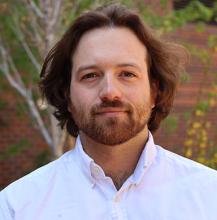
Shriner has been working as a political reporter at KBAK/KBFX in Bakersfield, California. A former U.S. Army veteran, he credits his CAHSS education “100%” for helping him find a meaningful job post-graduation. “My grad school professors helped me learn journalism in the classroom and took time outside the classroom to help prepare me for a career in TV news,” he said.
His MFJS curriculum required reading, digesting, and analyzing “large amounts of info in only a day or so,” he explained. “As a journalist, you need to absorb large amounts of information quickly and accurately report on that subject every single day. DU helped immensely in this.”
Beyond the classroom, Shriner found a welcome back to civilian life. “When I came to DU, I had only been out of the Army for about two weeks after four years stationed in Germany and was taking a big leap by leaving the Army,” he said. “My professors were incredibly kind, supportive, and knowledgeable in the world of communications. I told them what I wanted to do, and they did everything they could to help me get where I am today.”

Where Will Your Passion Take You?
CAHSS helps you shape your dreams into a future career — through mentorship, internships, and real-world experience.