The Amache Project at DU
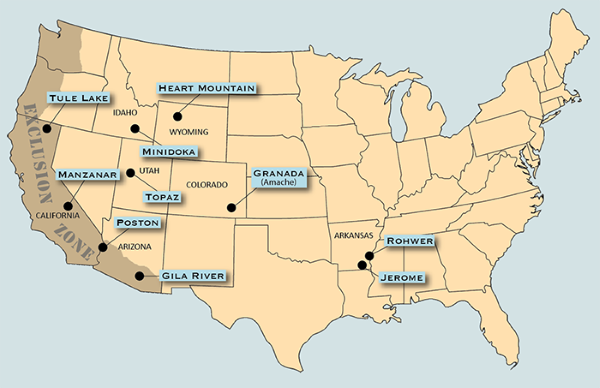
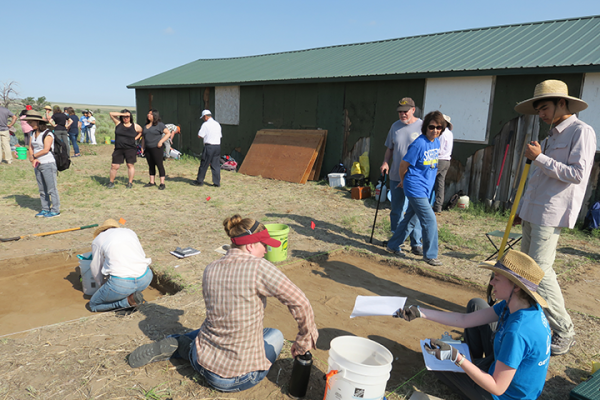
We're dedicated to long-term, community-based research at Amache, the site of a World War II Japanese American incarceration camp in Colorado. Amache serves as the site of an ongoing field school for anthropology students, faculty and researchers.
Featured Articles
-
Connecting the Pieces
Colorado's tenth largest city during World War II was Amache, a one-mile square incarceration facility surrounded by barbed wire, guard towers, and the scrub of the High Plains.
Over the course of three years, over 10,000 Americans of Japanese ancestry lived there, yet their experience is muted in our national discourse. The objects in this exhibit, fragments of those uprooted lives, encourage dialogue about this history. -
DU Archaeologist Examines the Gardens of Amache
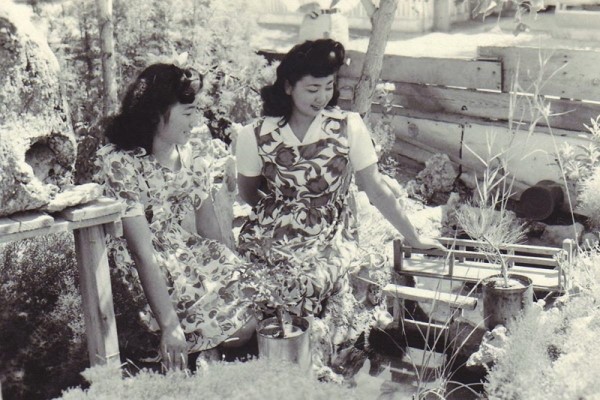
University of Denver professor Bonnie Clark specializes in landscape archaeology. Since 2008, she has operated an archaeology and collections field school at Amache, a WWII internment camp for Japanese Americans located near Granada, Colorado. Amache housed over 7,300 internees from 1942–45. After the war, agriculture areas were sold or leased to local farmers and ranchers. The 1-square-mile central part of the camp, made up of 29 blocks of Army-style barracks, was sold to the Town of Granada. In 2006, Amache was designated a National Historic Landmark.
-
Preserving History at Colorado’s Newest National Historic Site
A new crown jewel was added to the National Park System when President Joe Biden signed the Amache National Historic Site Act into law on March 18. Amache, also known as the Granada Relocation Center, was a World War II internment camp for Japanese Americans located near Granada, Colorado. Under the new law, the National Park System will “preserve, protect, and interpret for the benefit of present and future generations resources associated with the incarceration of civilians of Japanese ancestry during World War II at Amache.”

The Amache Rose at DU
During a 2012 field school led by Dr. Bonnie Clark, DU students and other archaeology crew members rediscovered stands of living roses still growing at Amache. In 2021, Dr. Clark collaborated with the Denver Botanical Gardens (DBG) to propagate these plants for study and preservation. Several successful cuttings were made and shared with Amache survivors, community groups, and the DU campus and became the subject of a DBG documentary, Amache Rose.
During the annual site pilgrimage in May 2022, the roses were seen blooming for the first time since the site closed in 1945. Careful study of the propagated roses and those on-site suggest they are Rosa arkansana or wild prairie rose. Research on other Amache gardens suggests that incarcerated individuals commonly transplanted local wild plants into their gardens, and these roses fit that pattern. If you want to see the Amache rose on DU's campus, look for the sign in the rose bed just south of Anderson Academic Commons.