The Spirituals Project 2026 National Conference

Friday, May 15, 2026
We are thrilled to announce our National Conference for 2026! Our conference title is “Spirituals in the 21st Century.” We invite professionals and laypersons of all backgrounds to join us for this conference to explore the Spirituals and their multi-layered cultural legacy through the lens of this year’s theme: The Modern Spiritual.
The Negro Spiritual inspired and invigorated an oppressed people during the period of slavery in the United States. First sung by enslaved Africans in the 18th and 19th centuries, these songs affirmed the humanity of the enslaved and were used to resist oppression. In the mid-twentieth century, the Spirituals became foundational to the Freedom Songs that were sung during the Civil Rights Movement. They were adopted and transformed to address the obstacles to freedom particular to that time, be they instruments of abuse such as fire hoses or threat of jail, or individuals such as Police Chief Pritchett of Albany, Georgia and Bull Connor, Commissioner of Public Safety in Birmingham, Alabama.
Spirituals and the Freedom Songs they inspired were communal and participatory, inspiring people to fight for freedom and justice—even helping them enact new societal models. Often led by a song leader, their simple melodies and repetitive lyrics, many times strophic in nature, helped people easily participate in their singing—in churches, outdoor marches, sit-ins, and other community spaces. As circumstances changed, singers altered lyrics to address specific challenges and contexts. These songs are regarded as historical documents, conveying the struggles, hopes, imaginations and triumphs of the communities of the times in which they were sung. As we reflect on the history and legacy of Spirituals, we seek to understand how Spirituals are part of our lives and music cultures today.
The conference will conclude with a performance by The Spirituals Project Choir, presented by CPR Classical. This will take place the day after the conference on Saturday, May 16, 2026 at 7:30pm. The performance will include the premiere of a new work that The Spirituals Project commissioned to highlight the conference theme. The new work, written by Lonnie Norwood Jr., is entitled “Dat’s Alrigh’” which creatively blends qualities of the historic music of the Spirituals while engaging modern musical idiomatic expressions and addressing contemporary social concerns.
The keynote address will be delivered by Dr. Lee Butler, President and CEO and the Bishop Henry White Warren and Elizabeth Iliff Warren Professor of Africana Pastoral Theology at the Iliff School of Theology.
The plenary speaker will be Dr. Kim R. Harris, Associate Professor of African American Religious Thought and Practice in the Department of Theological Studies at Loyola Marymount University.
The Spirituals Project is a secular, community-engaged program of the University of Denver’s Lamont School of Music. The Project seeks to preserve and revitalize the artistic, educational, and social justice teachings of “Spirituals,” songs that were created and first sung by enslaved Africans in America in the 18th and 19th centuries. We are a community outreach and artistic program centered around a core 55-member multi-ethnic, multigenerational community choir. In addition to a core group of singers from widely diverse segments of the Denver metropolitan community, the choir includes University of Denver students, as well as staff and faculty members.
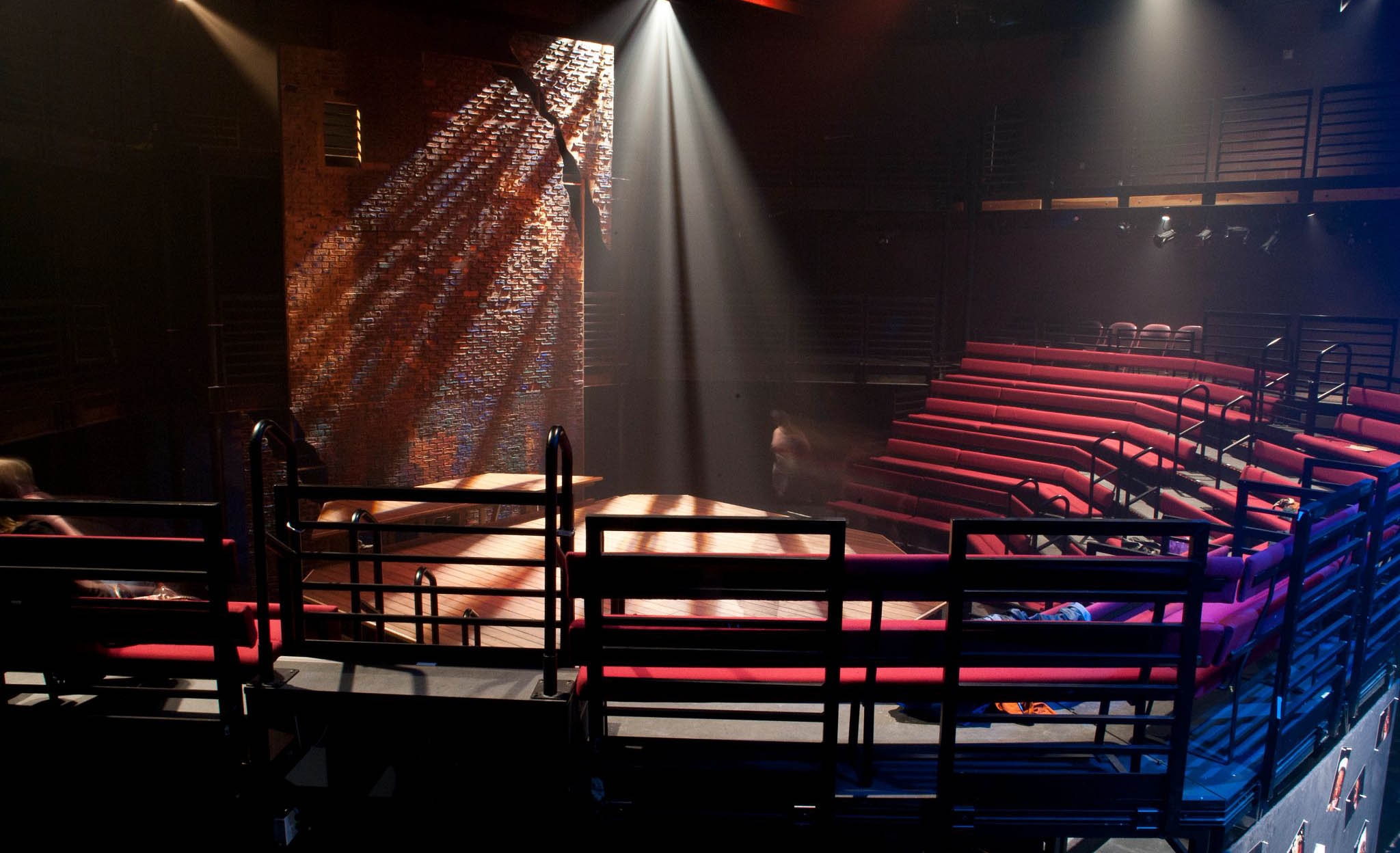
All events will take place at the Newman Center for the Performing Arts on the University of Denver campus in Denver, Colorado.
Contact: lamont.spirituals@du.edu
For more information about The Spirituals Project: https://liberalarts.du.edu/lamont/spirituals-project
-
Conference Schedule
All events will take place at the Newman Center for the Performing Arts on the University of Denver campus in Denver, Colorado.
Friday, May 15, 2026
8:00 AM – 11:30 AM Registration
Joy Burns Plaza9:00 AM – 10:00 AM Plenary Address: Fast Forward Faith and Freedom: Modern Day Spirituals
Dr. Kim R. Harris
Hamilton Recital Hall10:15 AM – 11:15 AM Breakout Session 1
The Sound of Freedom, The Sound of Justice: A Historical View of Negro Spirituals and Resistance in Song
Dr. M. Roger Holland II
Room 209
The Spirituals, Community Singing, and Civil Society
Dr. Aleysia Whitmore
Room 22211:30 AM – 12:45 PM LUNCH
Joy Burns Plaza1:00 PM – 2:00 PM Breakout Session 2
The Enduring, Universal Power of Enslaved Africans’ Sacred Folksongs in the Twenty-First Century
Dr. Arthur C. Jones
Room 209
Music for the Movement
Min. Daryl J. Walker, Jamie Laurie, and Friends
Room 1402:15 PM – 3:15 PM Breakout Session 3
The Tune and the Text: Lessons learned from Bach’s Treatment of the German Chorale and the Future of Spiritual Arrangements
Dr. J.A. Dungee
Room 209Technologies of Remembrance
Dr. T. Carlis Roberts, with Dzirae Gold, Rafael Maya, and Tajah Schall
Room 2293:30 PM – 3:45 PM Community Sing
Room 2294:00 PM Keynote: The Negro Spirituals to Africana Spirituals Conversion: The Making of Modern Spirituals
Rev. Dr. Lee H. Butler Jr.
Hamilton Recital HallSaturday, May 16, 2026
7:30pm - 9:30pm Performance by The Spirituals Project Choir, "Le Nouveau Spirituel: The New Spiritual." A ticket is required to attend. Reserved parterre seats are $5, and general admission seating elsewhere is free. A $3 fee applies to online ticket purchases, including on free tickets. Purchase/reserve tickets here. You may also do so in person at the Newman Center Box Office.
Address:
Newman Center for the Performing Arts
Gates Concert Hall
2344 E Iliff Ave
Denver, CO 80210Schedule subject to change
-
Rev. Dr. Lee H. Butler, Jr.
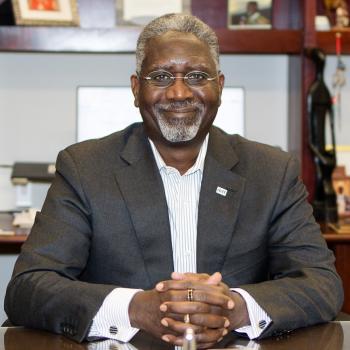
The Rev. Dr. Lee H. Butler, Jr. has had a distinguished career as a theological educator that spans more than three decades. He currently serves as the 17th President and CEO and the Bishop Henry White Warren and Elizabeth Iliff Warren Professor of Africana Pastoral Theology at the Iliff School of Theology. He is the first Baptist to lead this school. Before Iliff, he served as the Vice-President of Academic Affairs and Academic Dean, and the William Tabbernee Professor of the History of Religions and Africana Pastoral Theology at Phillips Theological Seminary, Tulsa, OK. For a period, he led Phillips as Interim President. He was the first African American to lead that school. Before Phillips, he was the Distinguished Service Professor of Theology and Psychology at Chicago Theological Seminary, Chicago, IL. He was the first African American to be promoted to the rank of full professor, a former director of the Master of Divinity program, a former Acting Vice-President for Academic Affairs and Academic Dean, and the founder of the Center for the Study of Black Faith and Life at Chicago Theological Seminary. Before Chicago, he served as Assistant Academic Dean and Assistant Professor of Pastoral Theology at Lancaster Theological Seminary, Lancaster, PA. He is a past president of the Society for the Study of Black Religion, a member of the American Academy of Religion, the Society for Pastoral Theology, the Institute for Signifying Scriptures, Society for Process Consulting, the Association of Black Psychologists, and a Board Member of the John Hope Franklin Center for Reconciliation. He holds a PhD and Master of Philosophy in Psychology and Religion from Drew University; a Master of Theology in Pastoral Theology from Princeton Theological Seminary; a Master of Divinity with a concentration in Pastoral Care and Counseling from Eastern Baptist Theological Seminary; and a BA in Religion from Bucknell University. He is the author of Listen, My Son: Wisdom to Help African American Fathers (Abingdon Press, 2010), Liberating Our Dignity, Saving Our Souls (Chalice Press, 2006), A Loving Home: Caring for African American Marriage and Families (Pilgrim Press, 2000), and numerous articles on the subject of pastoral psychology.
-
Dr. Kim R. Harris
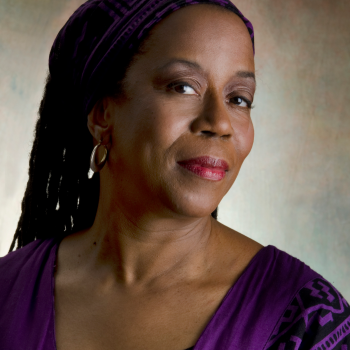
Dr. Kim R. Harris is the Associate Professor of African American Religious Thought and Practice in the Department of Theological Studies at Loyola Marymount University. In addition to teaching courses on Black liberation and Womanist theologies, Harris leads music in a variety of liturgical and academic settings. She is a liturgist, composer and recording artist, presenting lectures on the music of the Black Catholic experience, the spirituals of the Underground Railroad and the freedom song of the modern Civil Rights Movement.
Harris is a member of the Black Catholic Theological Symposium and the North American Academy of Liturgy. She is an academic member of the African American Catholic Center for Evangelization in the Archdiocese of Los Angeles. A gifted cantor, leader of song and a passionate cultural advocate, Harris earned a PhD in worship and the arts from Union Theological Seminary in the City of New York. In fulfillment of her degree, she composed Welcome Table: A Mass of Spirituals, one of the complete Mass settings included in the Lead Me Guide Me Black Catholic Hymnal 2nd edition and the new Gather Hymnal 3rd edition (GIA Publications Inc).
-
Session Descriptions
Plenary
Presenter: Dr. Kim R. Harris
Title: "The Negro Spirituals to Africana Spirituals Conversion: The Making of Modern Spirituals"
Description: Negro Spirituals are history, theology, contextual interpretations, and calls for liberation that were given texture by the Invisible Institution. If Negro Spirituals remain encapsulated in time for all eternity, they will remain as the creative voices of the past instead of spirituals being actualized as a creative genre critiqing our present and prophesying our future. What will it mean--and what will it take--to write new Spirituals that speak to this present age?
Keynote
Presenter: Rev. Dr. Lee H. Butler Jr.
Title: "The Negro Spirituals to Africana Spirituals Conversion: The Making of Modern Spirituals"
Description: The Spirituals tradition is strong; folk, arranged, solo, choral, in concert, in worship and in protest. To this day, Historic Negro Spirituals claim musical and cultural pride of place among and beyond the descendants of the enslaved and free original creating communities. This tradition, however, continues to expand; re-membered, reflected, and rebirthed by liturgists, artists and activists as diverse as Beyonce and Kendrick Lamar to participants in the Resistance Singers Movement. The Spiritual as well as the religious, political and social need for songs of faith and freedom lives on in both antique and modern-day forms.
Breakouts
Presenter: Dr. M. Roger Holland II
Title: The Sound of Freedom, The Sound of Justice: A Historical View of Negro Spirituals and Resistance in Song
Description: The Spiritual has historically given voice to the thoughts, emotions, and needs of the community that created this music. Beyond affirming the humanity of the enslaved community, the Spirituals served as a mechanism for resilience and resistance. This session will look at the ways this music has served the Black community in the United States and the myriad ways the music has been adapted and repurposed to serve the Black community across time and generations, giving voice to the sentiments of the people.
Presenter: Dr. J.A. Dungee
Title: “The Tune and the Text: Lessons learned from Bach’s Treatment of the German Chorale and the Future of Spiritual Arrangements”
Description: Throughout his career as a church musician, Johann Sebastian Bach famously set upwards to 400 harmonization of hymns from the Lutheran church tradition. These harmonizations have been used as the groundwork for formal training of musicians for 100 years since his death in 1750. The harmonizations, while wonderfully functional for use liturgically, were only the tip of the iceberg regarding his usage of these popular tunes. Bach also utilized these resources as the groundwork on which he would construct complex, multi-movement vocal works such as cantatas and motets as well as using the tunes themselves to inspire instrumental works without texts.
This presentation will explore how the Spiritual has and could use more of a similar treatment. The intention is to highlight composers who have gone beyond arrangements of spirituals in standard “strophic” form and hymn style writing, to examining settings where composers have stretched the imagination of how to use the tune as the bases for large form works and more complex textures, both vocally and instrumentally.
Presenter: Dr. T. Carlis Roberts, with Dzirae Gold, Rafael Maya, and Tajah Schall
Title: Technologies of Remembrance
Description: What do contemporary technologies have to offer the Black spiritual tradition? Amidst vital efforts to preserve and promote historic forms forged in response to enslavement, what role might innovation play? This presentation explores ways contemporary artists have engaged digital/virtual technologies and original songwriting within Afro-diasporic drum/dance genres — sister traditions to spirituals. I focus on STONO, a piece I wrote/composed that explores the 1739 Stono slave rebellion through music, dance, and ritual. I will discuss why and how the score blends Afro-folkloric forms with electronics, offering live demonstration of techniques and music from the show. Ultimately, I suggest that Afro-folkloric forms have adaptation and evolution at their core and innovation is a crucial component of perpetuating their legacy.
Presenter: Min. Daryl Walker, Jamie Laurie, and Friends
Title: Music for the Movement
Description: The Spirituals, and the collective singing they foster, were critical to the American civil rights movement. Amid new crises today, collective singing remains central to collective action. This song leading workshop illuminates how we might use song to build community and sustain social justice movements.
Presenter: Dr. Aleysia Whitmore
Title: The Spirituals, Community Singing, and Civil Society
Description: In the face of growing institutional distrust, individual isolationism, and concerns about a disintegrating democracy, many have turned to civil society as a solution—as a sector that, in the popular imagination, will push against politicians and businesses to provide for the public good. Arts professionals often promote community music programs as important parts of this sector that can foster social integration and community cohesion (amongst other things). But in the face of decades of shrinking public services, many civil society organizations have become professionalized and focused on advocating for specific causes or ideologies. Opportunities for volunteers to participate, lead, and form relationships across ideological and class divides have dwindled.
Community music organizations, however, can offer the volunteer-run ideologically/socio-economically diverse community fellowship and multi-faceted direct participation opportunities that have become rare in today’s civil society. In this presentation I explore how the Denver-based Spirituals Project leans into (1) the multifaceted nature of participatory music making and (2) the histories and meanings of the spirituals to make unique contributions to civil society. I argue that these contributions foster friendships, civic awareness and action, and a greater appreciation of human experiences in our community.
Presenter: Dr. Arthur C. Jones
Title: The Enduring, Universal Power of Enslaved Africans’ Sacred Folksongs in the Twenty-First Century
Description: The prevalence of enslaved Africans’ sacred folksongs, called spirituals, and their concertized offshoots in musical cultures around the world, has waxed and waned at various times since the end of legalized chattel slavery in the United States more than 150 years ago. The songs’ appeal in the twenty-first century, both in the U.S. and around the world, has persisted. There is broad understanding today of the historical significance of these songs as tools of survival, resilience and resistance among enslaved women and men, and of musical performances of spirituals as one important way to honor the brave legacy of the songs’ creators. However, the knotty question of who exactly possesses the right to sing these songs has surfaced and re-surfaced over the years, and continues to be raised now, more than a quarter of the way into the twenty-first century.
Arthur Jones will unpack the legitimate concern of cultural misappropriation, while also presenting an argument for why the spirituals, created during a very specific time and place in Black American history, also have much to teach singers from diverse backgrounds about universal experiences of suffering, resilience, and compassionate human connection. He will suggest reasons why this aspect of the legacy of the spirituals is particularly ripe for exploration in our currently fractured cultural environment. Importantly, he will suggest ways in which this has the potential to happen in a way that simultaneously acknowledges, respects and honors the very specific origins and history of these magnificent songs.
-
Presenter Bios
M. Roger Holland, II
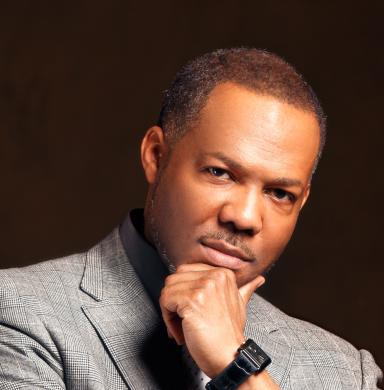
Dr. M. Roger Holland, II is a Teaching Associate Professor in Music and Religion and Director of The Spirituals Project at the Lamont School of Music, University of Denver. He earned the Doctor of Pastoral Music degree, with distinction, from Perkins School of Theology, Southern Methodist University. A graduate of Union Theological Seminary in New York City where he received the Master of Divinity degree, Holland also served as Artist-in-Residence and director of the Union Gospel Choir for over 13 years. In 2015 Union awarded him the Trailblazers Distinguished Alumni Award, the first given to a graduate whose ministry is music, for his contributions to the legacy of African American music. He received a master’s degree in Piano Performance from the Manhattan School of Music, also in New York, and completed his undergraduate work at Westminster Choir College in Princeton, New Jersey where he majored in Music Education with a concentration in piano and voice.
In 2023 the Association of Catholic Publishers awarded Holland both Composer of the Year and Song of the Year for his composition, “All of Me: Ode to Sr. Thea,” written in honor of Servant of God Sister Thea Bowman, currently a candidate for canonization. Holland is the editor of the In Spirit and Truth series published by GIA Publications, Inc., which reflects the aesthetic of Black Catholic worship. Commissioned works include The Dream and The Dreamer, The Tribulation Suite, UBUNTU: I Am Because We Are, and This Is the Day. He has played for the Broadway productions of Oprah Winfrey’s The Color Purple and the Tony award winning show, Memphis. In November 2016 Timothy Cardinal Dolan of the Archdiocese of New York presented Holland with the Pierre Toussaint Medallion for service.J.A. Dungee
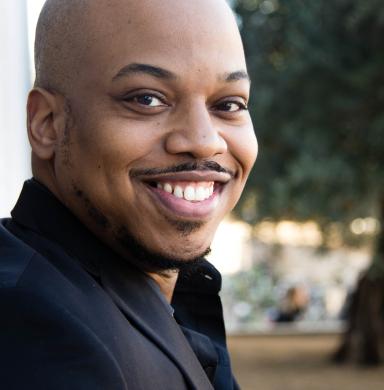
A conductor, tenor, and music educator, Dr. Jason A. Dungee is the Director of Choral Activities at UNC Charlotte. He holds degrees from the University of Arizona, Westminster Choir College, and Hampton University (Virginia). Prior to appointments as a director of choral studies in South Carolina and Florida, he enjoyed eight years as a successful high school choral music teacher in Newport News and Williamsburg, Virginia. He was a Conductor Fellow in the 16th Varna International Music Academy in Varna, Bulgaria, and in March of 2020, was co-conductor of the first HBCU Tribute Choir for the Southern Division American Choral Directors Association
Conference.Recently, Dr. Dungee has found success in popular music and entertainment as well. He was selected for two consecutive years to prepare choirs for the southeast leg of HBO’s internationally acclaimed touring production of The Game of Thrones Live Experience, featuring music from the TV program. While in South Carolina, he conducted sold-out, critically acclaimed performances as guest conductor of the Charleston Gospel Choir and sang the tenor
solo with the London Symphony Orchestra as they premiered Andre Thomas’s Mass. Dr. Dungee’s research on the music of Dr. Adolphus Hailstork has been presented at universities across the country, and he remains in demand as a guest presenter, conductor, and adjudicator.T. Carlis Roberts
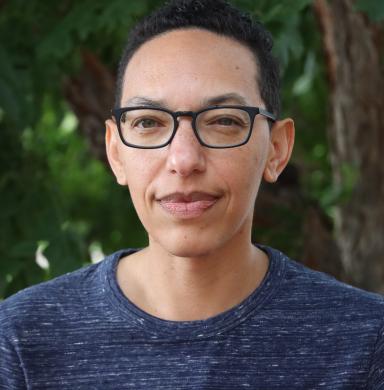
T. Carlis Roberts explores sound as a tool for liberation. As a composer, sound designer, and music director, T has worked at theaters across the U.S. As a songwriter and performer, T appeared on the Grammy-nominated album The Love by Alphabet Rockers, wrote music for the Starz/Lionsgate series Vida, and toured the country in A Queer Story of the Boy Band, co-created with The Singing Bois. His work has been funded by the Ford, Mellon, Surdna, and Nathan Cummings Foundations, National Endowment for the Humanities, and California Arts Commission. He has been in residence at Orchard Project, New Harmony Project, Control Group Productions, and Mississippi Center for Cultural Production. T is currently on the faculty in the Lamont School of Music and Critical Race and Ethnic Studies program at University of Denver. www.tcarlisroberts.com
Dzirae Gold: “Rich, soaring vocals that speak directly to one’s spirit!” - is how this operatically trained vocalist is often described. Dzirae Gold combines her technical skillset and soulful Chicagoland roots to create a sound as “smooth as liquid gold.” Her 'community first' mantra of support, collaboration, and inclusion has become a fixture within Denver’s music scene.
Rafael Maya is a multifaceted folklorist, musician, educator, dancer, composer, and producer whose work is deeply rooted in the cultural traditions of Puerto Rico and the Caribbean while engaging expansive explorations in futurism. Bridging heritage with innovation, he investigates how ancestral knowledge and emerging artistic practices can intersect and evolve. He has traveled internationally, sharing these expressions through performances and workshops presented on some of the world’s most respected stages and institutions. As director of the group Desde Cero and a co-founder and collaborator in numerous musical projects on and beyond the island, Maya continues to advance a practice grounded in cultural exchange, experimentation, and artistic evolution.
Tajah Sahar Schall has been studying West African dance since the age of three, and has been performing in professional drum and dance companies since the age of six. She has been studying Orisha dances and rhythms for the past two decades, first through the Afro-Cuban tradition in Philadelphia with Kulu Mele Drum and Dance ensemble. And then through the Afro-Brazilian lineage with Samba Colorado. Over the past decade she has studied as a percussionist with Yamal Rima and Koffi Toudji. She currently performs as part of the bands mud & marrow and Not a Luxury. Tajah received her MA in Dance/Movement Therapy from Naropa University in Boulder, CO in 2015.
Daryl Walker
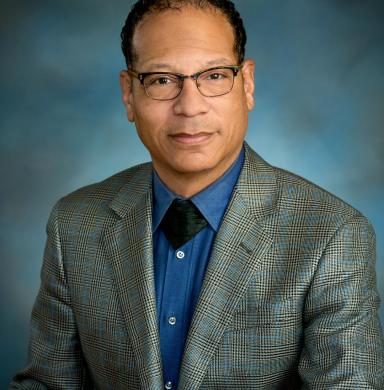
Daryl Jerome Walker, Sacred Music Theologian, brings depth, breadth, and height to today’s gathering. He is professionally trained, spiritually led, and personally engaged in music and worship arts.Minister Walker, as he is known possesses a Master of Divinity (M.Div) from Iliff School of Theology. His academic focus on Social Justice and Ethics guides his practice as a Sacred Music Theologian.
He has served as the minister of music for several decades. Former Director of The Spirituals Project, housed at the Lamont School of Music His service also includes co-leadership of No Enemies, a local Denver group that combines social activism and music. He serves as Minister of Music and Worship at Park Hill United Methodist Church.
Aleysia Whitmore
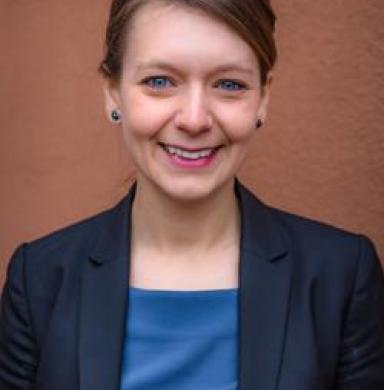
Dr. Aleysia K. Whitmore is an Associate Professor of Ethnomusicology and Director of Educational Programming for The Spirituals Project at the Lamont School of Music, University of Denver. Her research focuses on cultural policy, the global music industries, and globalization. Her book, World Music and the Black Atlantic (Oxford University Press 2020), analyzes how musicians, industry actors, and audiences create, promote, and consume West African and Cuban musics in the world music industry. Her current book project, Sounds of a Porte Ouverte, examines how cultural policies engage with cultural diversity in southeastern France. She is also conducting research on The Spirituals Project, community music making, and social justice in Denver. She has taught popular music, world music, and classical music courses at Brown University, Boston College, the University of Miami, and the University of Colorado Denver. She holds a BMus from the University of Toronto and AM and PhD degrees in ethnomusicology from Brown University.
Arthur Jones
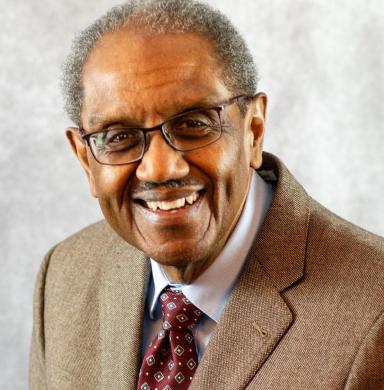
Now retired from full-time teaching, Dr. Jones remains passionately commited to presenting lectures and workshops that illuminate the enduring psychological, spiritual and social justice power of the sacred songs called “spirituals,” created by enslaved Africans in North America, as well as the subsequent music genres that stood on the shoulders of those foundational songs. His current work builds on decades of research, writing, teaching, singing, lectures and workshops, and the founding and development of the award-winning Spirituals Project. He continues to ground all of this in the overarching historical arc of social justice in America, for both African American and other marginalized communities. -
Conference Registration and Payment
Please register for the conference by clicking here.
The registration fee is $25.
The fee is waived for members of the The Spirituals Project as well as University of Denver faculty, staff, and students.You may make your registration payment by clicking here.
-
Parking
You must register your license plate via this Offstreet link to obtain free parking, which is available in the Newman Center Garage, located immediately south of the venue (2344 E. Iliff Ave.) at University and Wesley.
The parking gates will be raised for access from 7:30-9:30am. If you arrive outside this timeframe, you may gain access to the garage by scanning the QR code you receive when registering via Offstreet.
-
Hotel Bookings
We have partnered with several area hotels to secure a reduced rate. Please click here to find the list of participating hotels and instructions for how to reserve them at the discounted rate.