Inside MFJS: A Conversation with Derigan Silver
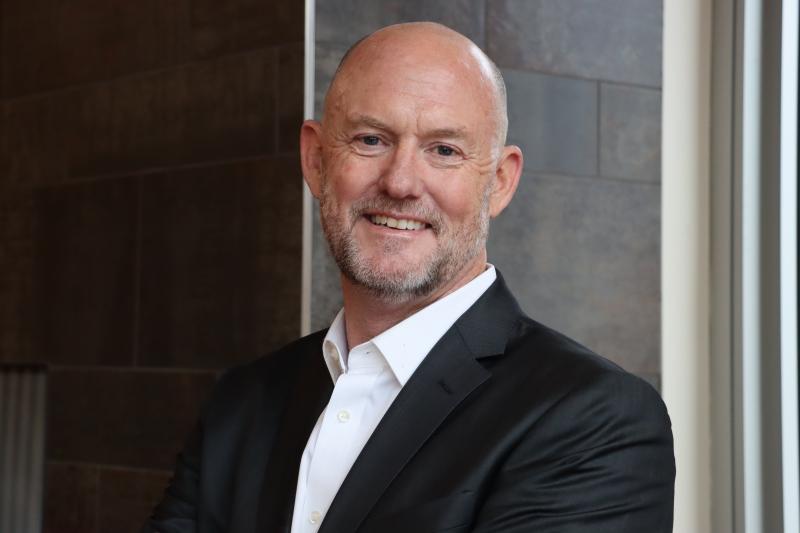
Department chair and MFJS professor Derigan Silver. Photo by Hannah Fulk.
Chair and professor in the University of Denver's Department of Media, Film and Journalism Studies, Derigan Silver brings a deep commitment to press freedom, rigorous scholarship and student mentorship into every classroom. A scholar of media law and a lifelong admirer of long-form journalism, Silver blends intellectual curiosity with practical insight, helping students understand not only how media works, but why it matters in a democratic society. From exploring the complexities of the First Amendment to mentoring aspiring filmmakers and journalists, his work reflects both passion and purpose.
In the following Q&A, Professor Silver reflects on his path into media, what makes MFJS distinctive, and why hustle remains essential for students entering today’s evolving media industries.
What sparked your passion for media/film/journalism?
When I was younger, I was captivated by long-form journalism. Writers like Jon Krakauer, Sebastian Junger and Mark Bowden completely captured my attention. Their ability to immerse readers in complex, real-world stories made me want to become a journalist and writer myself.
That interest eventually evolved into a passion for media law, particularly the rights of the press to cover government. Studying how the law shapes journalism, and how messy and complicated that process can be, sparked a deeper intellectual curiosity for me. Today, as MFJS department chair, I also have the privilege of working with incredibly talented filmmakers. Movies have always been a personal passion of mine, and getting to know our students and alumni who are doing amazing creative work is a joy.
What makes MFJS such a unique program?
Our faculty is what truly sets MFJS apart. We are made up of extraordinary teachers, researchers, social scientists, humanists, journalists and creative artists. The diversity in how our faculty approach teaching, scholarship and creative work creates an incredibly rich learning environment.
In MFJS, students benefit from small class settings where they can work closely with faculty who are leaders in their fields. Those close connections often turn into lifelong professional relationships. Watching those mentorships develop, and seeing students grow because of them, is one of the most inspiring aspects of my job.
What’s your favorite class to teach and why?
I love teaching media law. For many students, it’s not a subject they’ve thought much about before taking the course. Law can seem intimidating or dry at first, but once we begin unpacking how the law is made, how court decisions evolve and how deeply it shapes media practice, students often become genuinely engaged.
There’s something incredibly rewarding about having a student tell me at the end of the quarter that a class they expected to dislike turned out to be their favorite at DU. Those moments remind me why I love teaching.
What’s a recent project or research you’re particularly proud of?
I recently published an article examining the First Amendment jurisprudence of Justice Samuel Alito. The piece, “Protecting a Real or Imagined Past: Justice Samuel Alito and the First Amendment,” was co-authored with Dan Kozlowski and marked the first time I wrote specifically about the religion clauses of the First Amendment.
It was a challenging project, both intellectually and analytically. That challenge made the publication all the more rewarding. Pushing myself into new areas of scholarship keeps the work exciting.
What advice would you give to students breaking into the industry today?
You have to hustle. All media industries — film, journalism, public relations and advertising — are in a constant state of flux, and they have been for years. To succeed, you must be willing to outwork everyone else.
At the same time, this societal moment presents incredible opportunity. Students with skills in AI, video production and social media are entering a landscape filled with emerging possibilities. But opportunity alone isn’t enough. Success requires persistence, adaptability and a willingness to keep pushing forward.
What notable projects have been published or recognized with awards?
In 2025, I was honored to be named Educator of the Year by the Society of Professional Journalists, Colorado Chapter. I also co-authored the textbook Mass Media Law (2026) with Clay Calvert and Dan Kozlowski, and published “Protecting a Real or Imagined Past: Justice Samuel Alito and the First Amendment” in 2023.
Each of these projects reflects my ongoing commitment to advancing media law scholarship while preparing students to thoughtfully navigate the legal and ethical challenges of the media landscape.