Associate Professor of Psychology Receives Grant from the Board of Mental Research Institute
Angela Narayan Receives Grant to Research How Resilience is Passed Across Generations
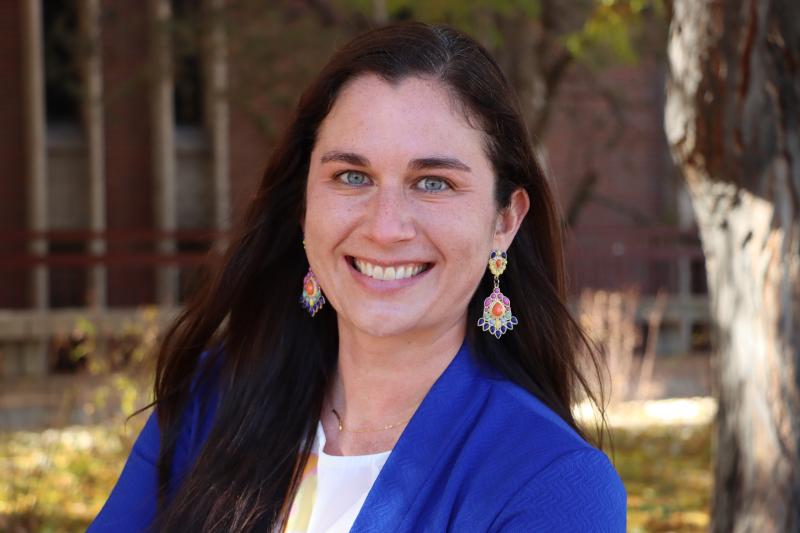
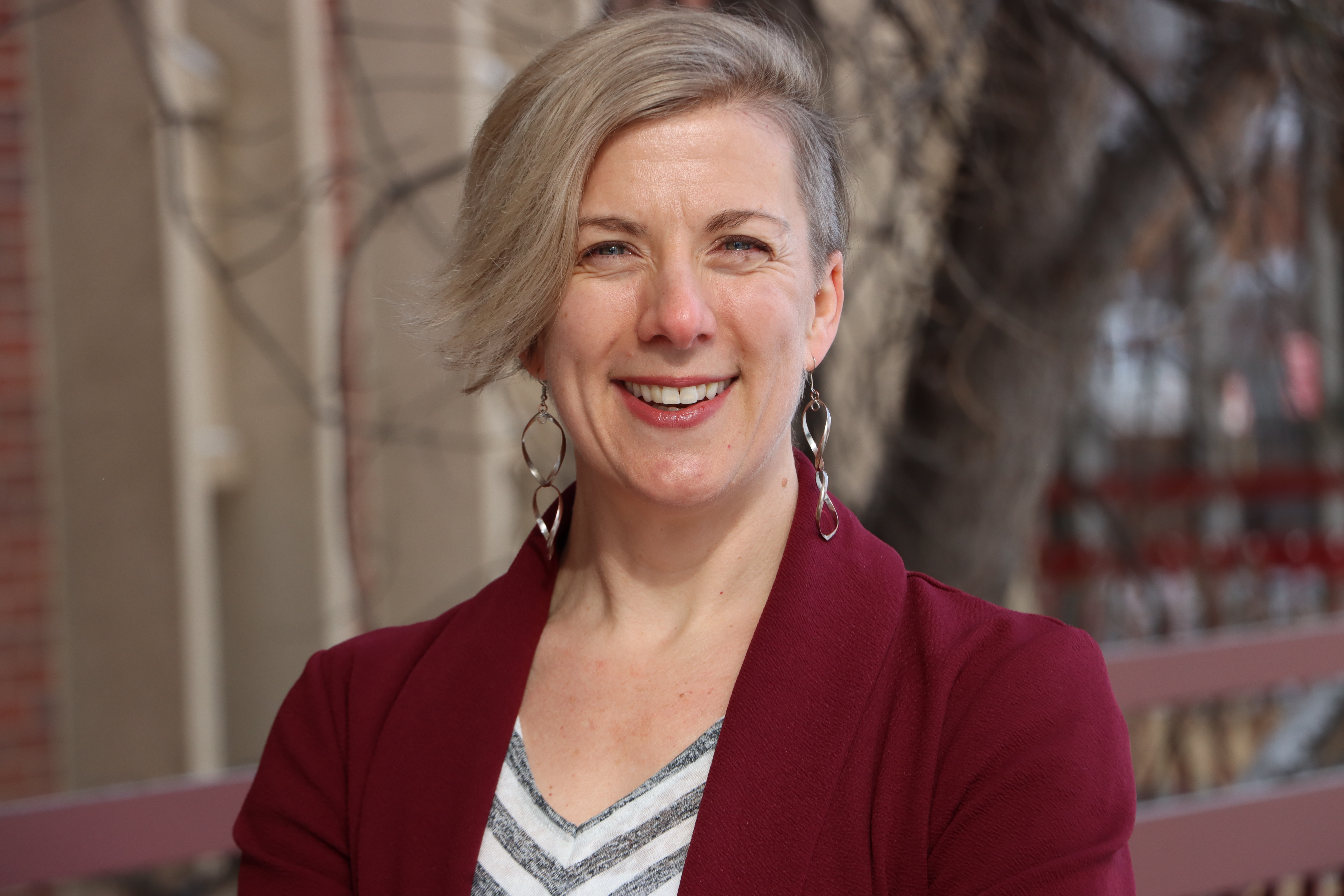
Angela Narayan, associate professor of psychology in the College of Arts, Humanities & Social Sciences at the University of Denver, has received a grant from the Board of Mental Research Institute (MRI) to support a new research project exploring how resilience is passed across generations.
Titled “Intergenerational Transmission of Trauma, Health, and Resilience: The Mother-Daughter Study,” Narayan’s project examines how adult women and their mothers navigate adversity and cultivate wellbeing over time. Decades of psychology research have focused on how trauma and mental health challenges are transmitted from parents to children. Narayan’s study shifts the lens to an understudied aspect: the intergenerational transmission of resilience from mothers to daughters as they navigate parenthood and aging.
This study is among the first to interview adult daughters alongside their own mothers to better understand how positive experiences and supportive relationships shape long-term health and family dynamics. By focusing on multiple generations, Narayan’s research aims to uncover how personal and relational strengths are passed down, even amid difficult upbringings.
Central to the project is the concept of positive childhood experiences (PCEs), which include supportive relationships, stable environments, and internal coping resources from birth to age 18. Although prior research has consistently shown that childhood adversity increases the risk of mental health challenges, chronic illness, and earlier mortality, far less attention has been paid to the protective role of positive experiences. Narayan’s work seeks to address that gap by examining how PCEs can help individuals overcome adversity and promote resilience across the lifespan.
“Everyone experiences some degree of adversity during childhood,” Narayan notes. “But most people also have at least some positive, supportive experiences that can serve as powerful resources later in life.”
Using a multi-system, trauma-informed, strength-based approach, the study will investigate how these positive factors, such as caring relationships, community support, and adaptive coping strategies, help individuals “beat the odds” and foster healthier outcomes for themselves and their families.
Ultimately, the project aims to identify specific, actionable factors that contribute to strong relationships and well-being across generations. By highlighting the “power of the positive,” Narayan’s research underscores that resilience is not only possible but also reproducible: offering valuable insights for families, practitioners, and communities working to support future generations.
Congratulations to Narayan on receiving this prestigious grant and progressing her profound and impactful research.