From the Dean’s Desk: February 2026
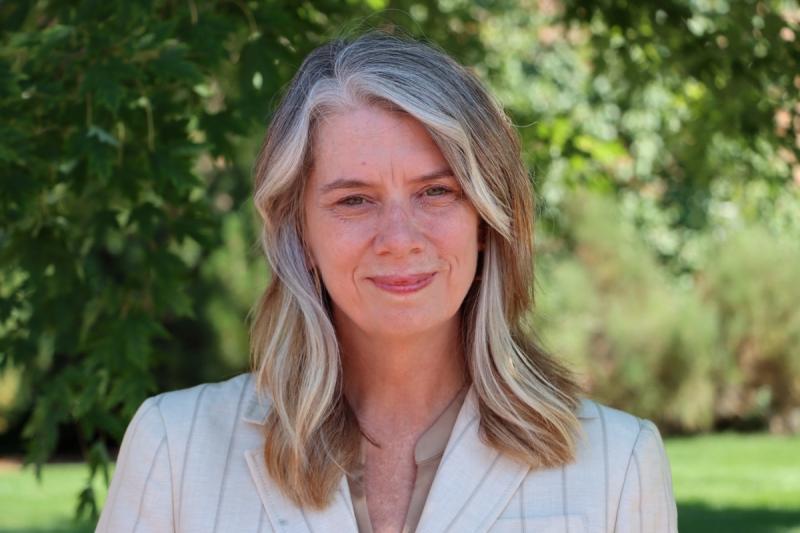
Dean Byrne. Photo by Hannah Fulk.
One of the things that inspires me most about CAHSS is the breadth, depth, and real-world impacts of our faculty’s research and creative works. Our research community spans disciplines and draws on creative collaboration among students, faculty, and staff. Research informs our faculty’s teaching, and many of our professors mentor students through their ongoing creative explorations and research projects, providing hands-on opportunities to enhance learning and acquire skills toward future careers.
There are so many examples of how our faculty’s student-engaged research contributes to the excellence of our College in a rapidly evolving world. Here are a few:
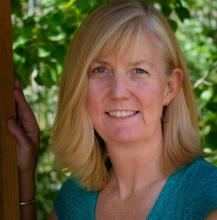
Professor Bonnie Clark, Department of Anthropology, co-leads the long-time Amache Community Archeology Project, a collaboration committed to researching, preserving, and interpreting the physical history of Amache, Colorado’s WWII-era Japanese American internment camp. She continues to engage students in real-world excavations at the Japanese internment camp, providing them with hands-on experience and developing skills for future archaeology careers.
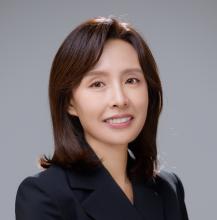
Professor Pilyoung Kim, Department of Psychology, a renowned leader in studying how early-life experiences affect children’s brain development, has been leading a team of student research assistants looking into how interacting with AI impacts young children’s development, well-being, and creativity. They are currently expanding her research through the University of Denver BAIC (Brain, Artificial Intelligence, and Child) research center to include studying the effects of generative AI on children with social communication difficulties including neurodivergence. They also plan to examine the effects of generative AI on youth and middle-school students.
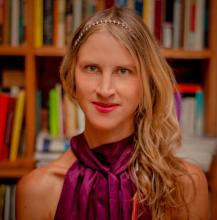
Professor Alison Krögel, Department of Spanish Literary & Cultural Studies, who specializes in Andean and Quechua Studies, was recently named University Lecturer for her extraordinary creative contributions and scholarly work. She teaches classes focused on Quechua-Andean literature and culture, as well as introductory Runasimi (Quechua) language classes.
For more than 20 years, Alison has worked with Peruvian, Quechua sheepherders laboring in remote reaches of Colorado, Wyoming, and Idaho. This long-term research informed her work as curator of the museum exhibition “ Sheepherder Testimonies” at the Aspen Archives. Her scholarly work includes the creation of the trilingual, digital Quechua poetry collective Musuq Illa.
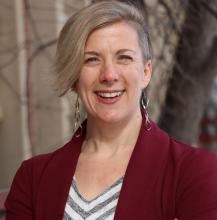
Since 2018, Professor Kateri McRae, Department of Psychology, and Professor Anne Penner, Department of Theatre, have bridged disciplines and shared their scholarly and creative expertise in their podcast The Actor’s Mind. Their recently finished book on the subject is slated for publication by Routledge later this year.
Anne brings her experience as a professional actor, director, producer, and professor, mentoring student actors in the theatre department, to their joint exploration into the psychological aspects of acting. The podcast and book reflect Kateri’s work on the psychological and biological bases of emotion and emotional regulation, specifically aimed at how this shows up in the process of acting and acting training.
Professor Lisa Pasko, Department of Sociology & Criminology and Department of Socio-Legal Studies is currently teaching a 4D Fridays course entitled “Research Practicum Experiential Learning, Understanding the Criminal Legal System.” The course helps students develop their understanding of the criminal legal system in real-world settings. The class covers arraignment, sentencing, probation/parole hearings, continuances, and bail hearings, as well as examining the overall roles and work of legal actors involved. Students conduct trial/courtroom observations online and in person to deepen their understanding of the courtroom experience.
Our College’s strength and success relies on the research-grounded knowledge, teaching, mentoring, and opportunities for hands-on learning our extraordinary faculty provide to our students. We are fortunate and grateful to have them.
Warm regards,
Dean, College of Arts, Humanities & Social Sciences